
Weight management and metabolic health are growing concerns for many people. What are compounded GLP-1 medications is a question beginners frequently ask when exploring options for personalized therapy. GLP-1 medications, or glucagon-like peptide-1 receptor agonists, have gained popularity for their ability to help regulate blood sugar, reduce appetite, and support weight loss.
Compounded GLP-1 medications differ from standard versions by being customized to individual needs. Physicians can adjust dosages, combine therapies, and tailor the delivery method for optimal results. By understanding how these medications work, beginners can make informed decisions while incorporating lifestyle strategies like diet, exercise, and holistic weight loss practices.
What Are Compounded GLP-1 Medications?
GLP-1 medications mimic a naturally occurring hormone that helps regulate glucose and insulin in the body. These medications slow stomach emptying, increase feelings of fullness, and improve blood sugar control. Compounded GLP-1 medications are prepared by pharmacies or medical compounding providers to fit specific patient requirements.
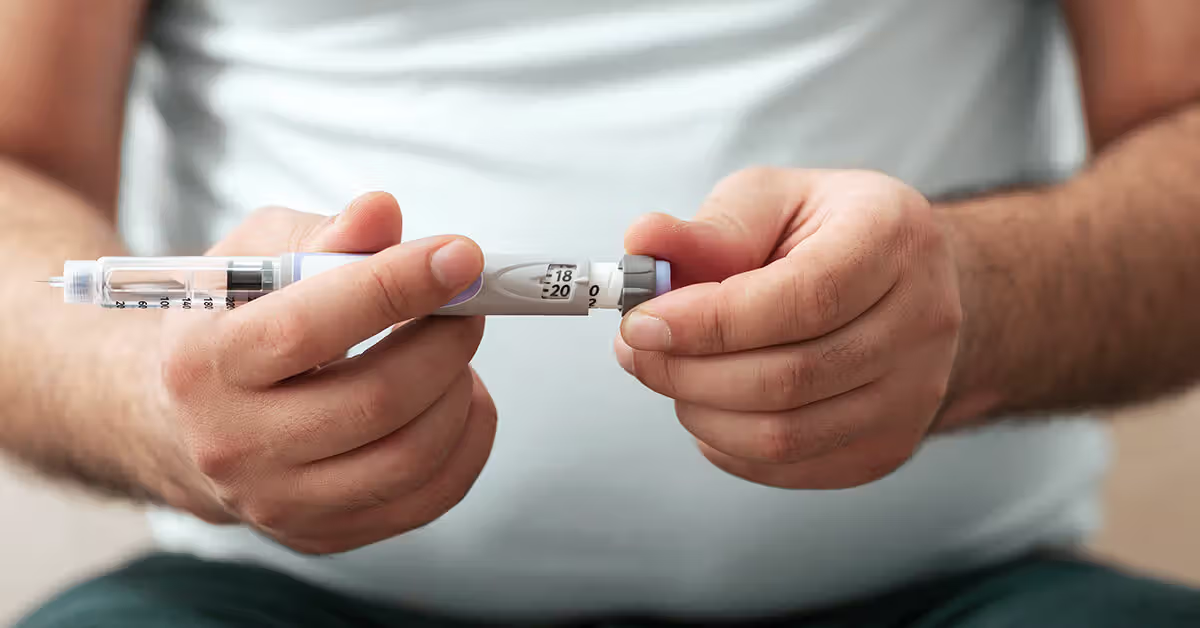
Unlike standard formulations, compounded versions allow adjustments in dosage strength, frequency, or combination with other supportive therapies. They may be delivered via injection pens, subcutaneous injections, or in some experimental oral forms. This flexibility can improve patient comfort, compliance, and overall effectiveness.
Compounded GLP-1 medications are particularly useful for individuals who cannot tolerate standard doses or require a unique regimen due to other health conditions. By working closely with healthcare providers, patients receive a customized plan suited for their metabolism, weight loss goals, and lifestyle.
How Do Compounded GLP-1 Medications Work?
GLP-1 medications work by signaling the pancreas, stomach, and brain. They stimulate insulin secretion in response to high glucose levels, slow down gastric emptying, and promote satiety. This mechanism supports weight management and reduces glucose spikes after meals.
For people with type 2 diabetes or prediabetes, GLP-1 medications provide an additional tool to manage blood sugar. They also help curb cravings and improve adherence to dietary plans. Compounded formulations allow fine-tuning of dosage, ensuring the therapy fits each individual’s metabolic needs.
Moreover, GLP-1 medications have been studied for cardiovascular benefits. They can improve blood pressure, reduce inflammation, and support healthy cholesterol levels. By combining the benefits of hormone regulation and customized therapy, compounded GLP-1 medications provide a holistic approach to weight and metabolic health.
Benefits of Compounded GLP-1 Medications
- Personalized Dosage: Compounded GLP-1 medications allow doctors to adjust doses for maximum efficacy and minimal side effects.
- Enhanced Weight Management: By controlling appetite and blood sugar, these medications can support long-term, natural weight loss strategies.
- Greater Compliance: Tailored regimens help patients maintain consistent use without unnecessary discomfort or inconvenience.
Patients often notice reduced hunger, stabilized blood sugar, and gradual weight reduction when combining these medications with dietary and lifestyle adjustments. Compounded GLP-1 medications also provide flexibility for adjusting therapy based on progress, tolerance, or other health needs.
Safety and Precautions
While GLP-1 medications are generally safe, patients should follow professional guidance. Possible side effects include nausea, mild digestive discomfort, or injection site irritation. Compounded formulations require careful preparation to ensure sterility and correct dosage.
Consulting a healthcare provider before starting any compounded GLP-1 medication is essential. Individuals with pancreatic or thyroid issues, gastrointestinal disorders, or known medication allergies should seek personalized advice. Proper monitoring and communication with a medical professional ensures safe and effective treatment.
Step-by-Step Guide to Using Compounded GLP-1 Medications
Step 1: Choose a Qualified Provider
Select a licensed compounding pharmacy or healthcare provider familiar with GLP-1 therapy. Ensure they provide clear guidance and personalized support.
Step 2: Provide Health History
Share your medical history, current medications, and any chronic conditions. Accurate information allows your provider to determine the optimal dosage.
Step 3: Start with the Initial Dose
Begin with a low dose to assess tolerance. Monitor for side effects such as mild nausea or discomfort, which are common during initial adjustment.
Step 4: Track Progress
Record weight, appetite, blood sugar levels, and any side effects. Tracking progress helps your provider make informed adjustments.
Step 5: Adjust Dosage as Needed
Your healthcare provider may gradually increase or modify the dose for optimal efficacy. Adjustments are based on tolerance, results, and lifestyle factors.
Step 6: Integrate Holistic Approaches
Combine GLP-1 therapy with diet, exercise, and natural weight loss strategies. This approach ensures long-term success and overall metabolic health.
Integrating With Lifestyle Approaches
While compounded GLP-1 medications are effective, pairing therapy with lifestyle interventions amplifies results. Patients are encouraged to follow balanced diets, regular exercise routines, and mindful eating practices. Even small daily habits, like walking after meals or increasing water intake, enhance medication effectiveness.
Natural weight loss practices complement medication by supporting sustainable habits. Reducing sugar intake, incorporating protein-rich meals, and performing moderate cardio or resistance training can make the medication more effective. These lifestyle changes reinforce the physiological benefits of GLP-1 therapy.
Monitoring and Ongoing Care
Regular monitoring ensures the therapy remains safe and effective. Schedule routine check-ins with your provider, track vital signs, and maintain detailed logs of any side effects. Lab tests may be recommended periodically to monitor glucose levels, liver function, and other metabolic markers.
Apps and wearable devices can help track progress, offering visual feedback and alerts. Ongoing communication with your provider ensures adjustments can be made promptly, optimizing both holistic weight loss and overall metabolic health.
Conclusion
What are compounded GLP-1 medications? They are personalized therapies that regulate glucose, reduce appetite, and support natural weight loss. By combining customized dosing with lifestyle interventions, patients achieve safer and more effective results. Regular monitoring, tracking progress, and communicating with your healthcare provider are crucial. For individuals seeking personalized guidance and support, Aurum Health provides expert consultations and tailored GLP-1 therapy plans. Explore professional options for sustainable weight management and metabolic health today.
Learn more and start your personalized journey with Aurum Health. Visit our website today for more information.
Frequently Asked Questions
1. What are compounded GLP-1 medications?
Compounded GLP-1 medications are customized treatments to help manage blood sugar and support weight management safely.
2. Are there risks associated with compounded GLP-1 medications?
Risks are minimal when taken under medical supervision. Side effects may include nausea or mild digestive issues.
3. Can anyone use compounded GLP-1 medications?
Not everyone is eligible. Consult a healthcare provider to assess safety based on medical history.
4. How does GLP-1 therapy fit with natural weight loss plans?
It supports appetite control and glucose regulation, enhancing diet and exercise efforts for sustainable results.
5. How often should dosages be adjusted?
Dosages are adjusted based on progress, tolerance, and lifestyle factors, usually under a provider’s guidance.